It’s not too late for members to respond, here: https://consultations.defra.gov.uk/call-for-evidence-on-gamebird-release-shooting-and-welfare-during-rearing-in-england
Whilst the consultation relates to England, the SGA wanted to provide a summary of evidence, to assist gamebird release and management UK-wide and to provide support to members in England and solidarity to fellow gamekeeping and shooting organisations.
Please find below an abridged version of our response.
The SGA represents around 5000 gamekeepers, deer and wildlife managers, and land and river ghillies in Scotland, but also lists members in England.
Our members, in the main, are individuals- and their families- working professionally in land management at the sharp end. They represent a key element of the skilled rural workforce; many playing important roles within their communities.
A 2020 Scottish Government commissioned survey by SRUC on Scottish (principally grouse) gamekeepers found that 78% undertook deer management (wider non-shoot habitat protection and contributing to local and national targets) as part of their job, 74% were involved in pest control for farming and forestry, 61% looked after other gamebirds (pheasants/partridge) and 45% held official roles within their communities such as community council, mountain rescue or fire service.
It is vital, when considering potential changes to gamebird releasing, that legislators are aware of how the work of gamekeepers and land managers, overall –on both sides of the border- is interconnected with conservation, forestry, farming and the health of rural communities in general, and is not decoupled from this or viewed purely as ‘shooting’ in isolation.
Delivery mechanism for targets
Jobs and practical skills in gamekeeping (sustained by shoot income) directly feed into the wider delivery of community wellbeing and resilience, conservation, climate ambition, wildlife recovery and food production – all of which confer important benefits to the general public and to governments. Overly stringent restrictions on the ‘sport’ of shooting, itself, could place these wider benefits at risk, particularly if it discourages investment through apparent lack of central support.
https://www.scottishgamekeepers.co.uk/gamekeeping-facts/what-gamekeepers-do.php
On both sides of the border, over spring and summer this year, gamekeepers were on the frontline at ruinous wildfires, helping the Fire Service keep people and property safe. This help, given to the UK public free of charge, stems directly from the skills, knowledge and experience gained in carrying out moorland habitat management but is an example of how these same skills can be deployed to help people in times of need.
Similarly, Scottish and English gamekeepers are involved in peatland restoration programmes, managing destructive invasive species such as mink, woodland management and habitat creation – all which are mission critical for Net Zero targets.
In Scotland, our members are part of a shooting and fishing sector which sustains more direct, full-time, jobs than all the main conservation charities combined, see: https://www.scottishgamekeepers.co.uk/year-of-employment/year-of-employment.php
It is for this reason – and the complex inter-dependency with other governmental and societal priorities- that we believe policy makers should work with experienced practitioners to make positive changes, through a co-design process, if it is deemed that reform is required.
A modern industry
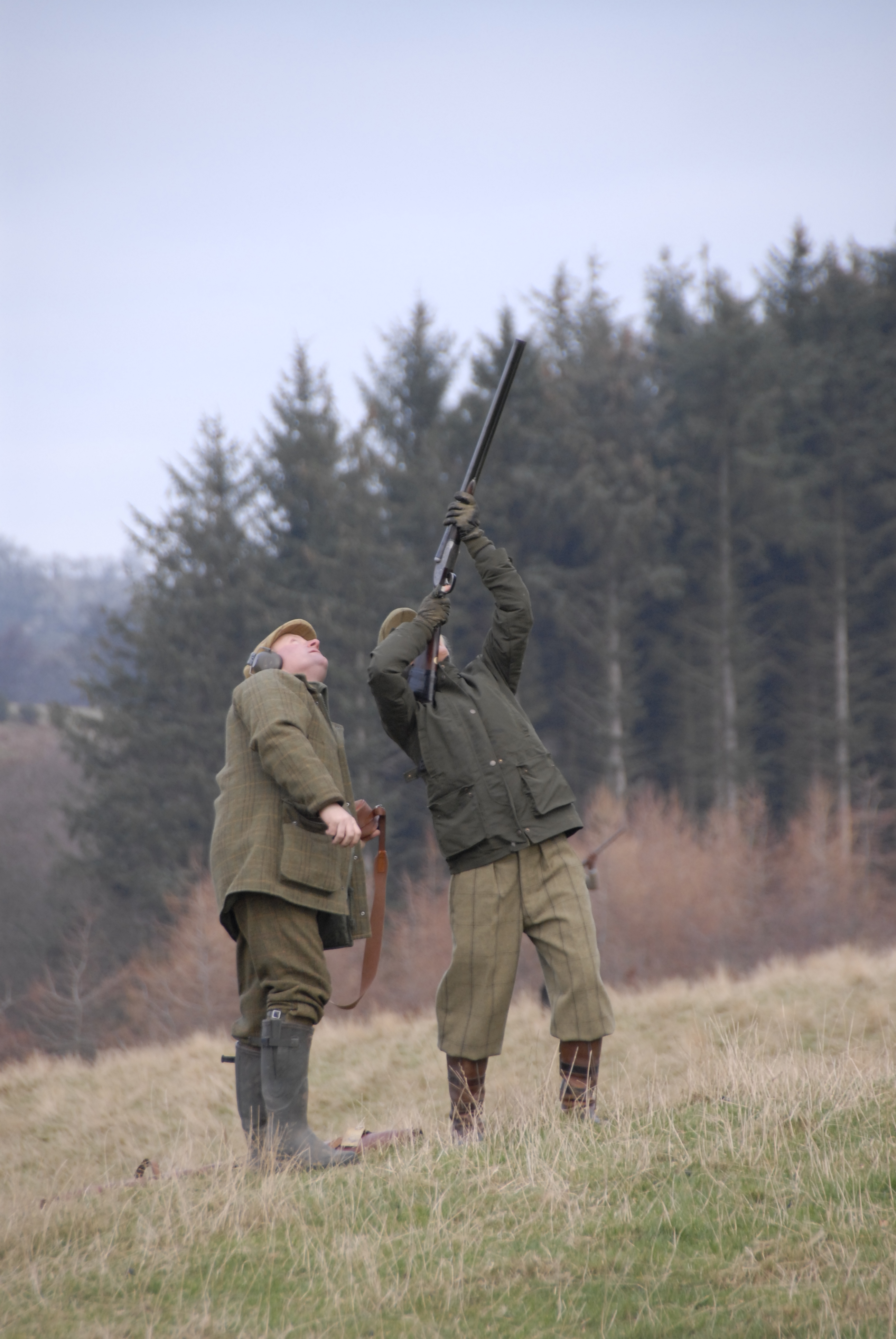
Standards within the profession, on both sides of the border, have risen over the past 10 years with greater emphasis on qualifications, training, and continuous professional development, see: https://sefari.scot/sites/www.sefari.scot/files/documents/Part%202%20-%20Gamekeeper%20Employment%20Rights.pdf
Adherence to best practice is adherence to best self-interest.
Shoots are endeavouring to operate to the highest standards because they desire to continue operating in a land sector which is now more regulated, monitored and scrutinised. This is reflected in collaborative, cross-border efforts to update the Code of Good Shooting Practice.
It does not benefit a shoot or a game farm if there is a disease outbreak requiring more stringent biosecurity, for example. The disruption (though comparatively very rare) can be crippling, not to mention the loss of wildlife and livestock.
More research has been undertaken around gamebird releasing in recent years, some of which was cited in the consultation information. Summarising what is known, it is clear that potential negative impacts are often site-dependent or localised and, if managed and addressed, the overall net gain from gamebird release and management can be maintained, which is what the sector itself wishes to achieve.
It is our view, therefore, that – if making changes – DEFRA works with sector stakeholders and veterinary professionals to update its Code of Practice on the welfare of gamebirds reared for sporting purposes, incorporating new research which is not currently reflected in the existing version.
Similarly, if looking at best practice for post-release, DEFRA guidelines can be co-designed with the sector and relevant veterinary interests, incorporating the best of what is already available through the Code of Good Shooting Practice and Game and Wildlife Conservation Trust’s guide to Sustainable Gamebird releasing and Principles of Gamebird Management.
Trust and signalling
Compliance, in our view, is best secured through trust and where there is ‘ownership’ of the findings; hence the benefit of embedding a co-design approach. The relevant bodies can then ensure member buy-in through shows, events, workshops and stakeholder meetings.
It is our belief that, at a time when governments need more skilled land managers to achieve Net Zero and wildlife recovery (remember pheasant/partridge gamekeepers are also undertaking target-driven deer management), it would be foolish to demotivate land managers through a heavy-handed regulatory approach, when recent scientific evidence does not merit more stringent regulation.
In Scotland, there is a challenge to get young people involved in the game and wildlife and wider land management sectors, noting the drive to Net Zero.
Governments have a role to play. Signals of support are important when it comes to sector confidence yet the 2020 research by SRUC, cited earlier, found that 79% of respondents were more pessimistic about the future of the profession, with ‘perceived lack of support from government and agencies’ contributing to this. Heed must be taken, when making policy, to avoid a recruitment crisis in future which will undermine nature, biodiversity and climate priorities.
Conservation
Whilst it is legitimate to seek to improve -in any industry- if there are founded concerns, it is important not to overlook the vital work which is carried out in the British countryside by skilled gamekeepers, deer and wildlife managers and land and river ghillies.
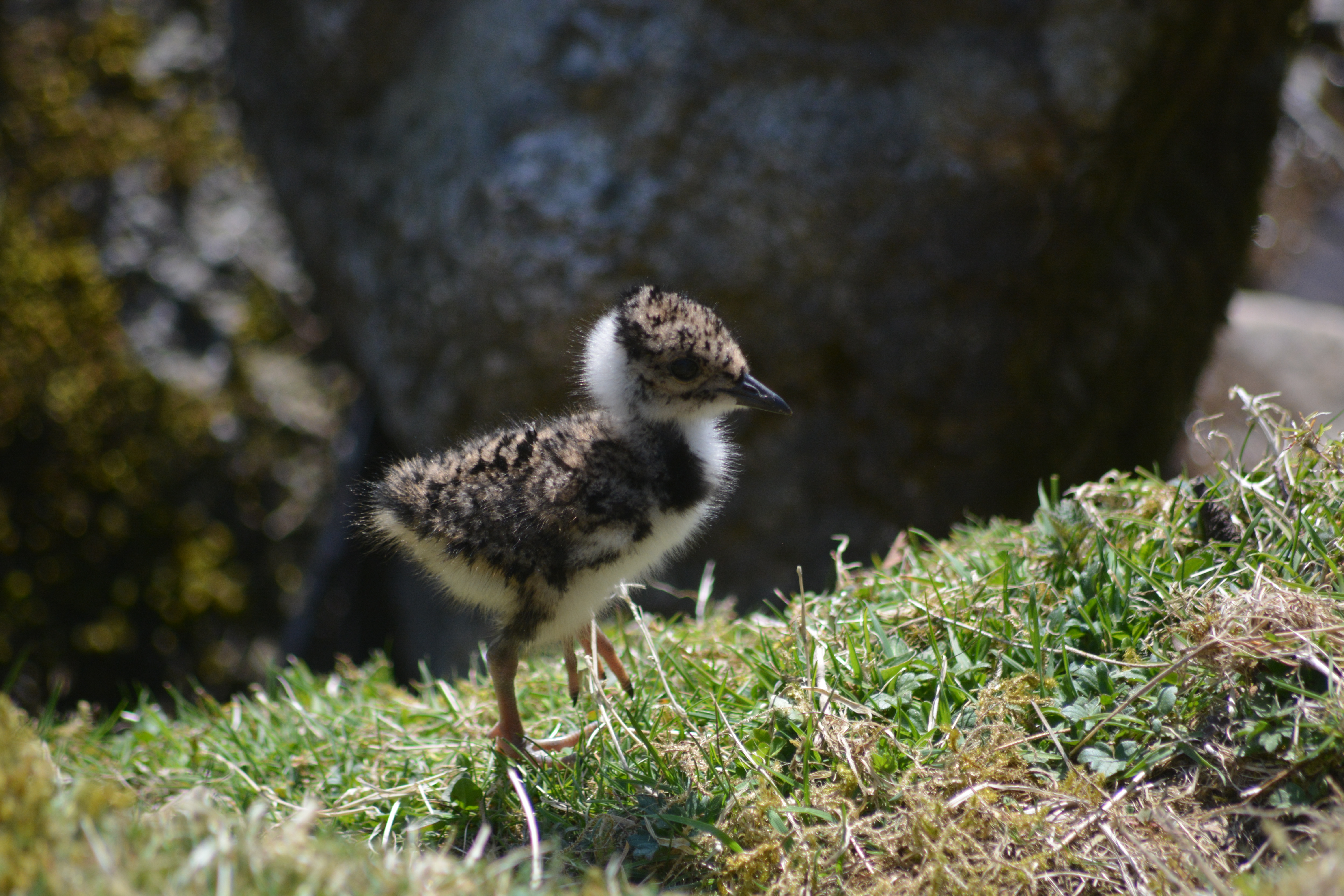
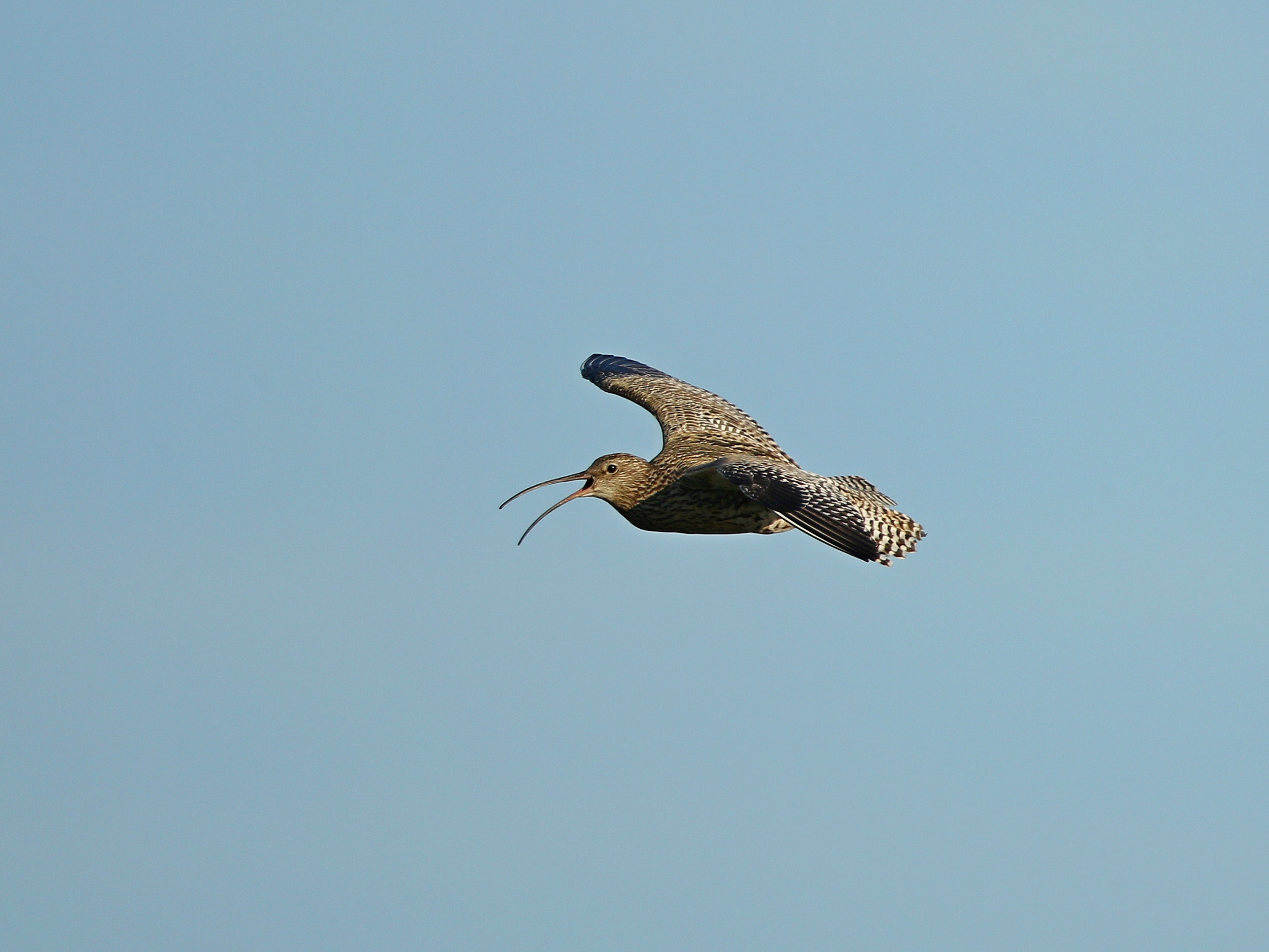
The GWCT Upland Predation Experiment at Otterburn found that, where gamekeepers legally managed foxes, crows and mustelids, red-listed wading birds curlew, lapwing and golden plover bred up to three times more successfully.
There is an undeniable correlation between the success of certain rare species and the presence of working gamekeepers. When gamekeeper management ceased at the Berwyn SPA in North Wales, lapwing became locally extinct, there was a 90% loss of golden plover and a 79% reduction in curlew between 1983-5 and 2002 https://www.gwct.org.uk/news/news/2019/july/new-study-reveals-huge-decline-in-bird-species-when-grouse-management-ends/
A 2019 survey on Conservation and Wildlife, undertaken by SGA and the National Gamekeepers Organisation in England found that 90% of pheasant and partridge gamekeepers on the low ground planted cover crops, which benefit an array of wildlife, not just gamebirds.
98% provided supplementary food through the ‘hungry gap’ and 71% had planted trees within the last decade https://www.scottishgamekeepers.co.uk/pdfs/SGA-NGO-REPORT.pdf
It is important that the work of gamekeepers, overall – and their future role in delivering key objectives- is carefully considered when it comes to policy affecting their practices and jobs. Co-designing solutions is, therefore, the best approach, in our view.