This summer, the Scottish Gamekeepers Association (SGA), conducted an anonymous poll asking practitioners if they felt Access issues had changed since the pandemic.
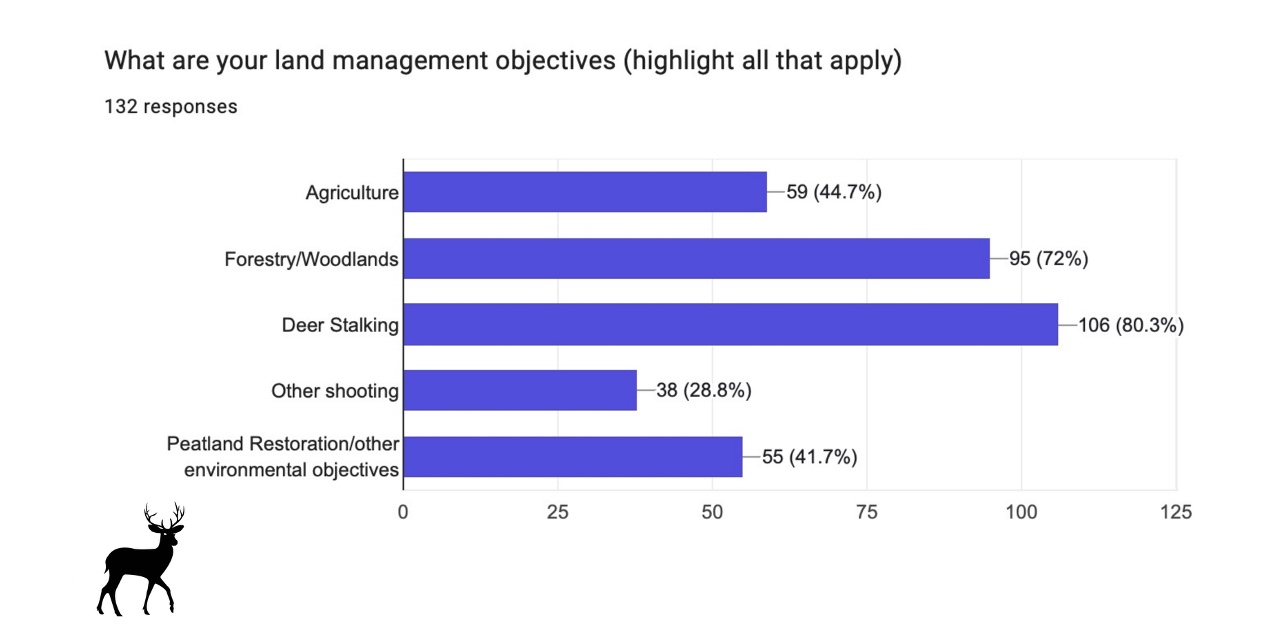
Responses covered over 1 million acres, eliciting 132 responses from individuals involved in traditional stalking, deer management for forestry schemes, agricultural protection and control to safeguard peatland restoration.
While most described Access as a minor problem prior to lockdown, the survey highlighted marked post-Covid changes, with Access conflicts now impacting the majority.
When asked about the toll on their work, on a scale of 1 to 5 (from minor nuisances to significant, ongoing impacts affecting their practices), 63% chose level 3 with a further 27% at level 4 or 5.
The survey also illuminated new and emerging issues Parliamentarians would not have envisaged when passing the 2003 Land Reform Act, such as E-bike misuse in core deer habitats.
Other novel issues post-lockdown included a rise in professional dog walking and wild swimming, increased motorbike and drone use, 24/7 access with head torches, and social media influencers encouraging off-the-beaten-track photo opportunities and dawn camps.
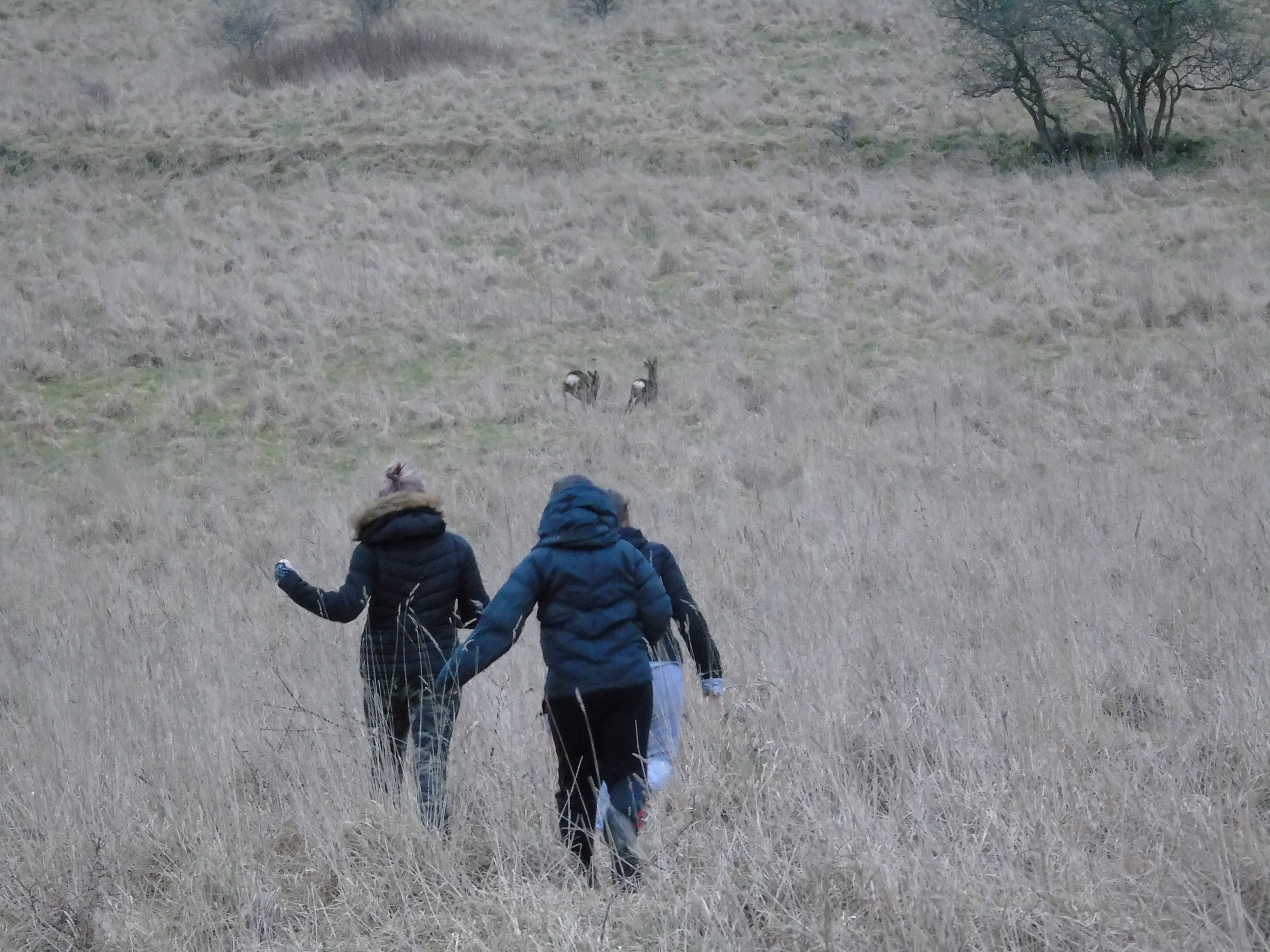
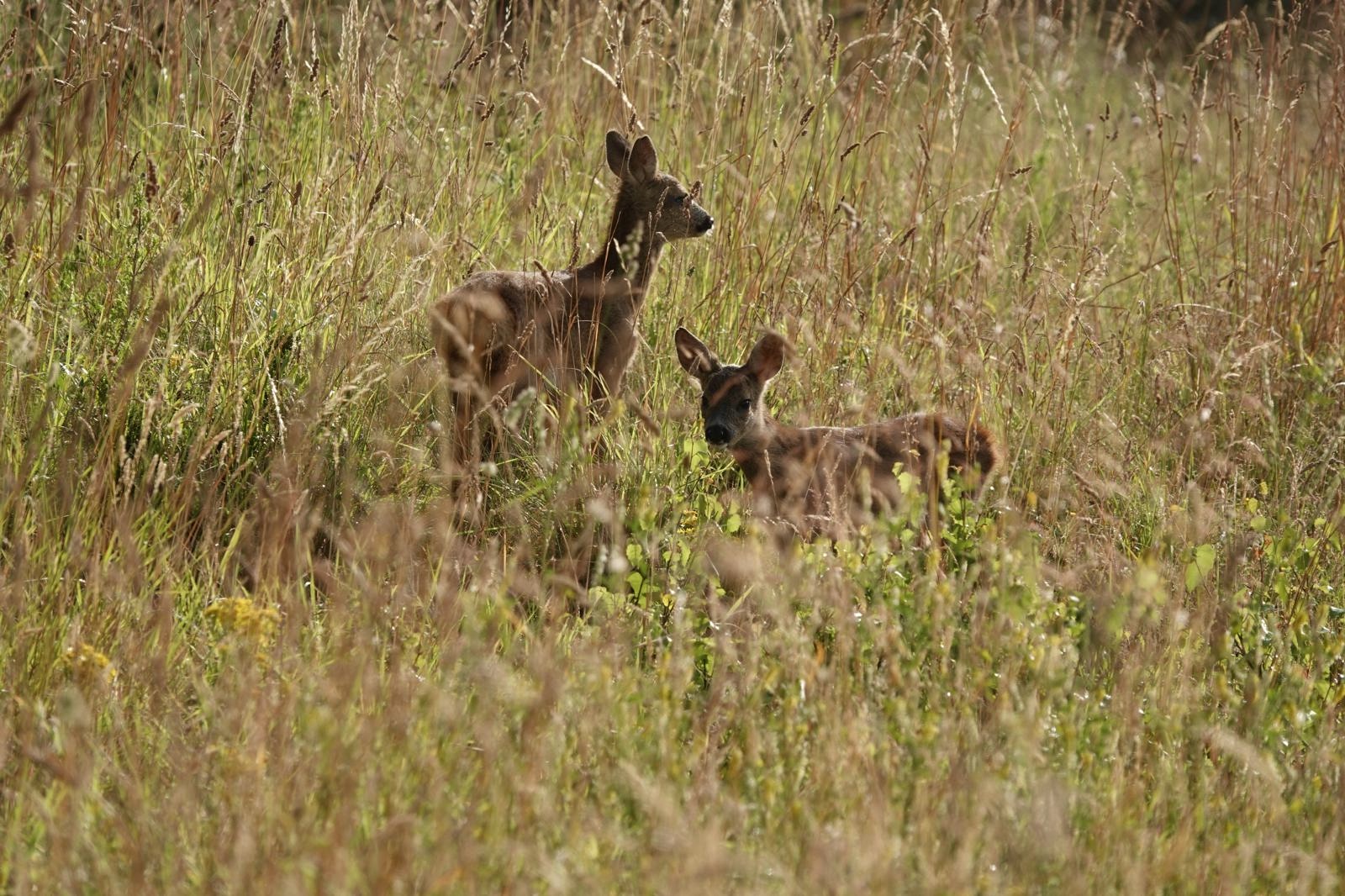
The majority of respondents cited uncontrolled dogs as a major issue when carrying out deer control operations, scattering and even chasing deer that are now being displaced from hefted ground into woods where they cause more damage.
Less than 5% of the survey respondents described their role as traditional estate stalking; the issue moving way beyond the simplified ‘walkers versus shooting estates’ narrative.
The SGA, which supports responsible access, believes outdoor access laws, introduced over 20 years ago, now need to be reviewed for the modern era, with deer managers expressing rising anxiety levels when carrying out their work.
“This is not about a wholesale prevention of access, it is about accepting things have changed and making access fit for today, in a way that balances interests better.
“2003 is long gone. We’ve had a global pandemic which made many, cooped up inside for months, view the countryside differently. People in rural communities will acknowledge that the profile of access has changed, and the numbers, too.
“At the same time, Scottish Government has placed deer management at the heart of Net Zero, with 50 000 more deer needing to be managed annually,” said Stuart Allison of the SGA Deer Group.
Pressure
Group colleague, George Macdonald, added: “Deer managers are under more pressure now than ever. If targets aren’t met, it can mean prosecution. When deer are being moved 24/7, and woodlands are being used for access in early morning and darkness, deer management is having to be abandoned for safety reasons and this is causing rising anxiety.
“So, yes, we will be asking Scottish Government to enable responsible access but we also need to ensure that the work wildlife managers are obligated to do, as part of their job, can get done.”
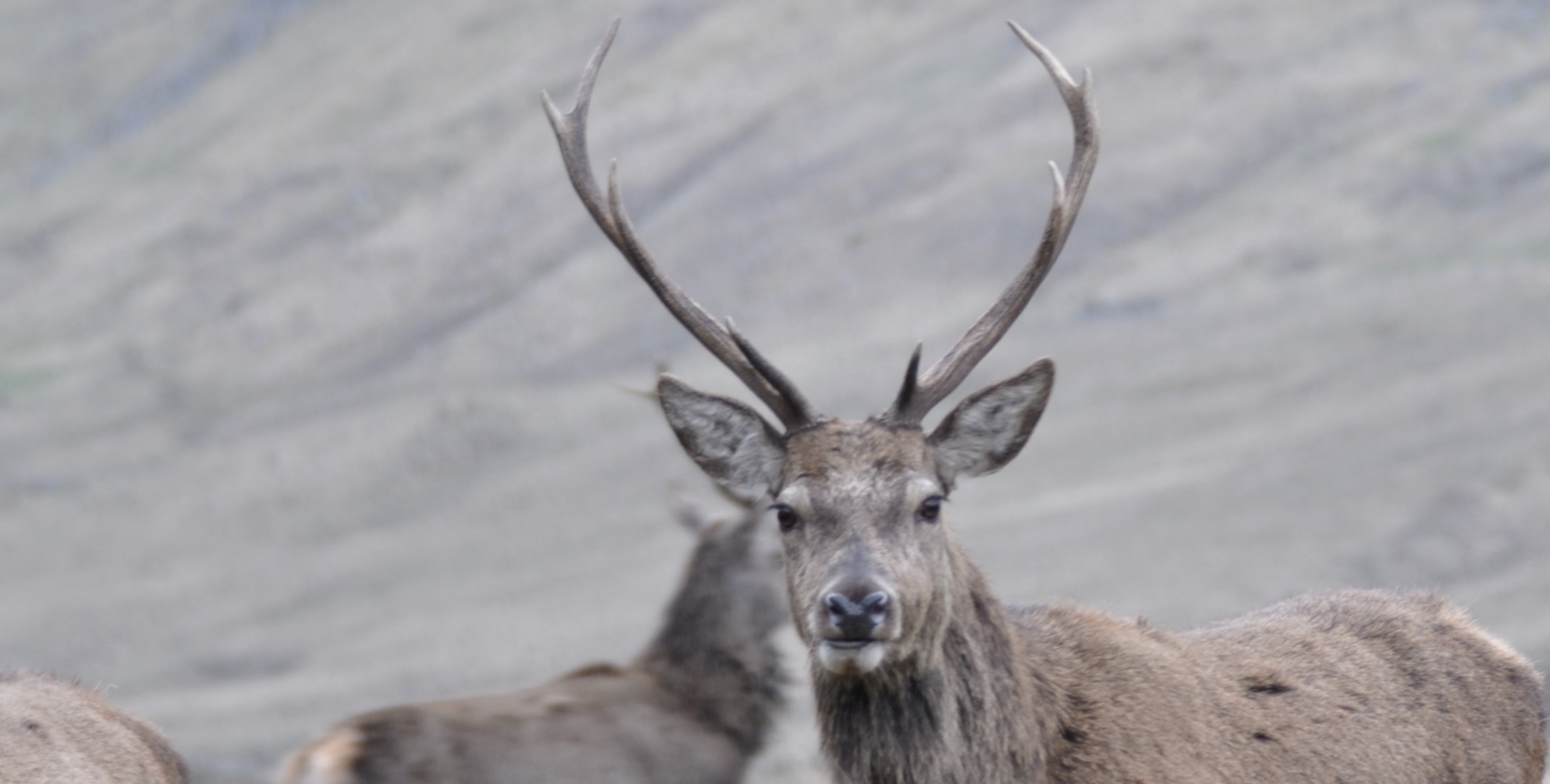
Due to the tightening of firearms legislation, deer managers – often lone workers- say they are reluctant to engage in conversation when their management operations are disrupted, for fear of being reported and having firearms removed.
Changes in access are also altering the behaviour of the deer themselves. Persistent disturbance, even unintentional, can push deer into new habitats where they cause greater damage.
One respondent reported two competing guiding companies taking up different camping spots nearby, forcing deer to scatter in two different directions at once.
Deer are already being disturbed more, today, with natural capital developments, energy schemes, woodland creation, the siting of transmission and telecoms masts and peatland restoration programmes all creating displacement.