Like in the 2021 poll, SGA members have asked us to provide information to help them make choices on the ballot paper.
Prior to the Holyrood Parliament being dissolved, we polled candidates from all parties on how they might support gamekeepers, land and river ghillies and deer/wildlife managers, if re-elected.
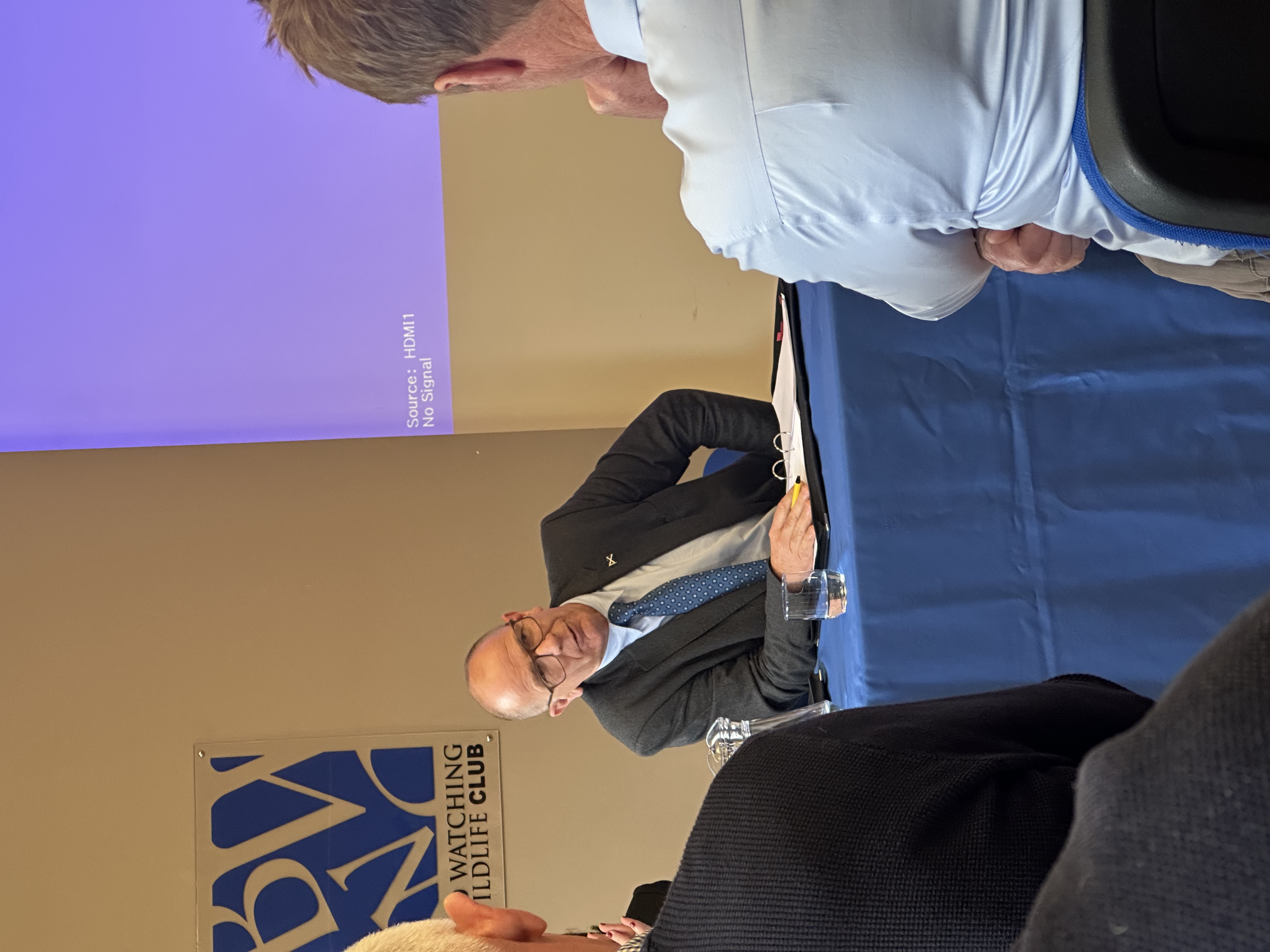
In this guide, we focus on the response received from Jim Fairlie (SNP candidate for Perthshire South and Kinross-shire).
Jim, a former shepherd and hill farmer, was the founder of Perth Farmer’s Market and was elected in 2021 before going on to become Minister for Agriculture and Connectivity.
Following a trying time for the sector during the operational period of the Bute House Agreement between the SNP and the Greens, Jim’s work served to restore balanced relations within rural policy.
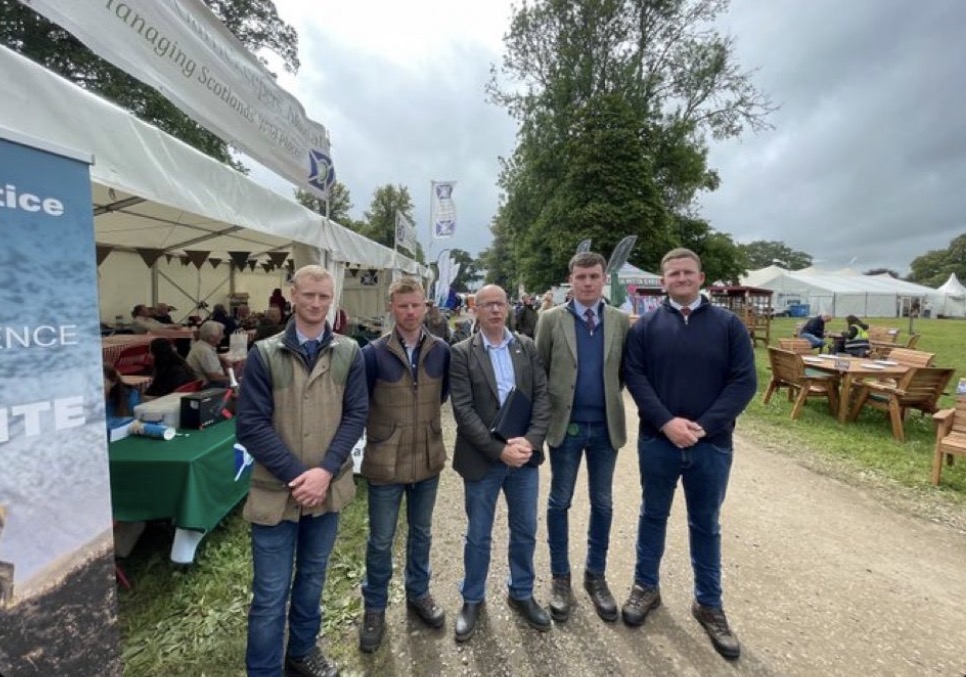
Willing to engage with the SGA (see above, with the Youth Committee at Scone Game Fair) and other stakeholders, and to praise where merited, he has demonstrated a collaborative approach in the wider interest of benefitting Scotland’s countryside.
As Minister, he took the decision to drop the female deer season change. He worked constructively with the land management sector during the Hunting with Dogs Bill, Wildlife Management and Muirburn Bill and, latterly, the Natural Environment Bill, recently delaying the commencement of the Muirburn licensing scheme to seek more clarity.
On the impacts he believes our sector has on community, economy and biodiversity, he said: “The work of keepers, stalkers and ghillies is essential for the environment, the economic development and the stability of communities in rural Scotland, and a major attraction for our wider hospitality sector across the whole country.
“The study by BASC clearly outlines the economic output from country pursuits but more importantly, for me, is the cohesion of rural communities, keeping schools, shops, garages and pubs open, being available in the asset register, bringing the skills to bear that are needed in times of crisis like wildfire control and suppression.
“Clearing roads, being in mountain rescue, and quite simply creating resilience in areas that simply wouldn’t be if the people filling those jobs weren’t there, so it is my aim to ensure those rural communities stay resilient with your help.
“From a biodiversity point of view, it has been very clear to me that keepered land may be for a single purpose in terms of grouse or pheasant numbers, but the consequences of that keepering are strong levels of successfully reared ground nesters and red lister species, helping our biodiversity objectives.
“Deer managers are playing a vital role with diligence and professionalism by safely taking deer for environmental, sporting and venison purposes, all of which helps us in our strategic vision of a dynamic, well managed countryside, producing food, driving down emissions and creating habitat which encourages biodiversity.
“The training, professionalism and natural instincts of folk who manage our land and rivers have too often been negatively perceived and left your sector feeling under attack and alienated. But, with good cooperation and continuing dialogue between the SGA and myself, if I am returned as an MSP and an SNP Government Minister, we can help to change that negativity into positives, and I will do all I can to help the sector achieve just that.”
In terms of supporting the sector, in future, he explained: “One of my real concerns, particularly for keepers, housemaids and gardeners is that lack of security of tied houses. I know when I was a shepherd in a tied house the description I was given that my house was like golden handcuffs, felt all too real.
“That lack of security is even worse for the three professions I mention above. In the last parliamentary session, I endeavoured to tackle this issue with the then Housing Minister Paul McClennan, but it was a complex and sometimes reserved to Westminster issue because it was tied up in employment law. It is, however, something I would be keen to pursue again.
“Obviously, it is not for government to dictate to landowners who or how many folk should be employed in these roles, but creating an environment that gives certainty and stability through well-crafted legislation can certainly help, and I have always endeavoured to be balanced and constructive in the legislation I have been responsible for delivering.”
On the subject of policies he’d like to pursue/support/advance in the next Parliament, if elected, he said: “As I stated in previous answers, the key thing is messaging and creating a far better understanding of the real value that you, as a community, bring to Scotland.
“Our Good Food Nation Act is an opportunity for us to do more in giving folk access to the fabulous food that comes from our natural larder. So, making that more accessible is important, alongside the supporting rural skills programmes we have developed which are key to ensuring young folk see long term, rewarding careers in the sector.
“I have taken time to engage and work with young keepers, in particular, to create better relations. I have a vision for supercharging our food and drink sector, which will drive our tourist sector, which can drive real economic growth and stability. For me, all of this can, and should be, underpinned by the rural offering we have and a team Scotland approach to delivery.”
On the policies he has been involved in, which impact our sector, he said: “As the Minister for Agriculture and Connectivity, I have been charged with the responsibility of taking forward various pieces of legislation.
“The sector has suffered from varying degrees of division and animosity so I used my experience to bring a deep-seated understanding of the challenges and demands of policy objectives.
“I balanced those objectives against the reality of delivery on the ground. For instance, the proposal to have longer open seasons on shooting hinds was clearly causing huge concern for deer managers, so I took the decision to scrap the proposal.
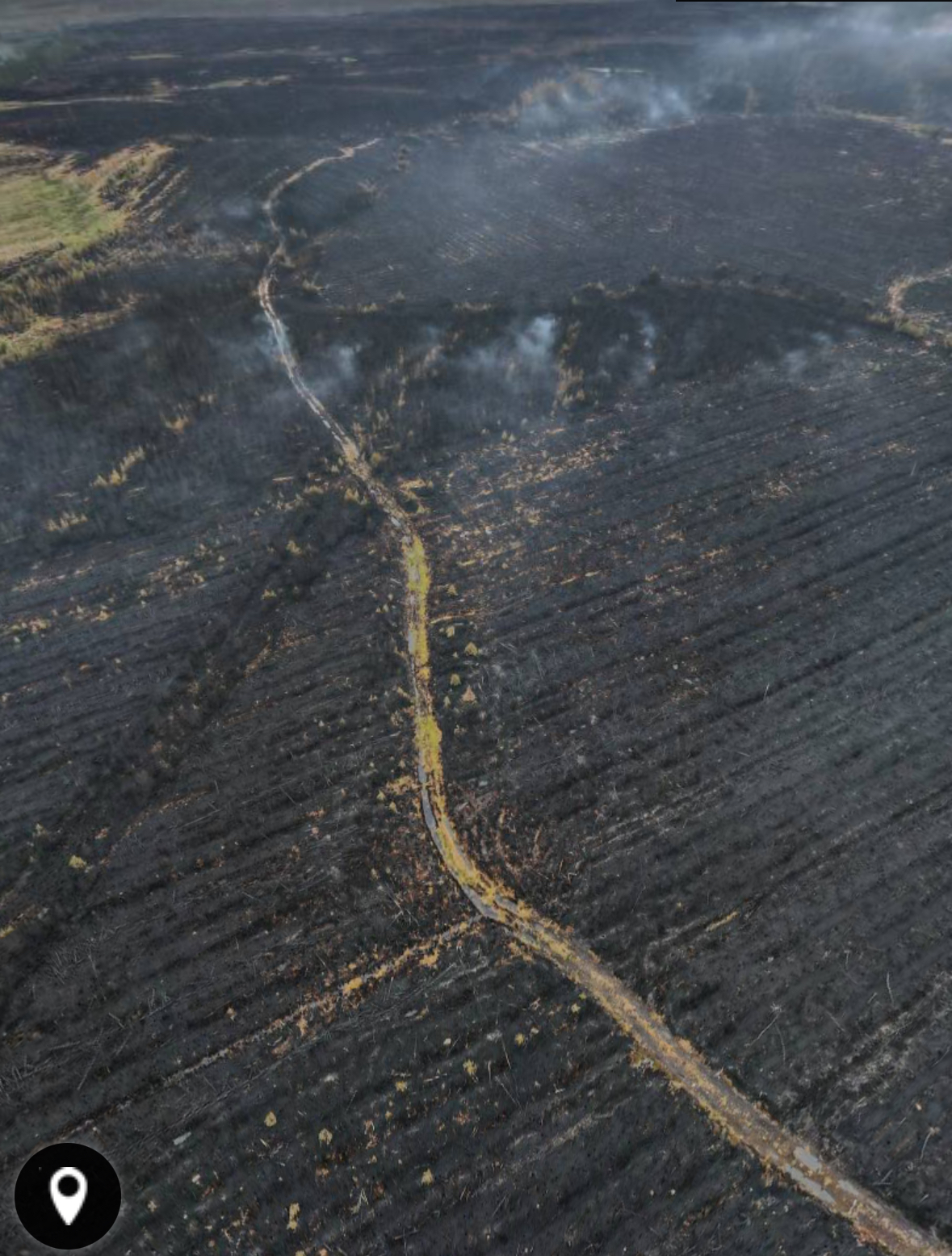
“Equally, when the Dava moor fires took hold, I decided to delay the implementation of the Muirburn licence scheme to gather more evidence and to create a working group who will review the developing science and establish relations across SFRS and local land managers and keepers to build resilience in local communities.
“I have advocated strongly in my Ministerial office and in the Parliamentary Chamber for the sector, while not being afraid to challenge you as a sector on the areas that need to be challenged.
“That honesty in challenge, alongside advocacy on your behalf, is, for me, the right approach. I believe it means that we can build a trusted relationship between government and sector which is essential for our ongoing collaboration and developing a resilient long-term future for us all to be proud of.
“The Natural Environment Bill had the potential to be a bitter dispute but, by including venison into the national deer management and venison plan, we can turn this into a real positive for the venison sector.
“I’ll finish by saying that the SNP absolutely get the vital importance of all that you deliver, we understand the challenges you face and uncertainties you feel.
“But we have a determination to work with you so that your place in the offering that Scotland has to the world is recognised, appreciated, admired and rewarded, and we can do that better by doing it together.
“So, if I am returned after May the 7th, I am determined to carry that work forward with you.”

*These guides are meant for information purposes. They are not endorsements of any individual candidate or party by the SGA. Voting is entirely down to individual preference/conscience.
If you are a candidate and want to be featured in our member Election Guides, please contact info@scottishgamekeepers.co.uk
Who else is running in Perthshire South and Kinross-shire?
Amanda Clark (Lib Dems)
Roz McCall (Conservative)
Helen McDade (Reform)
Luke Thomson (Labour)
Next Up...Fergus Ewing, Independent candidate for Inverness and Nairn