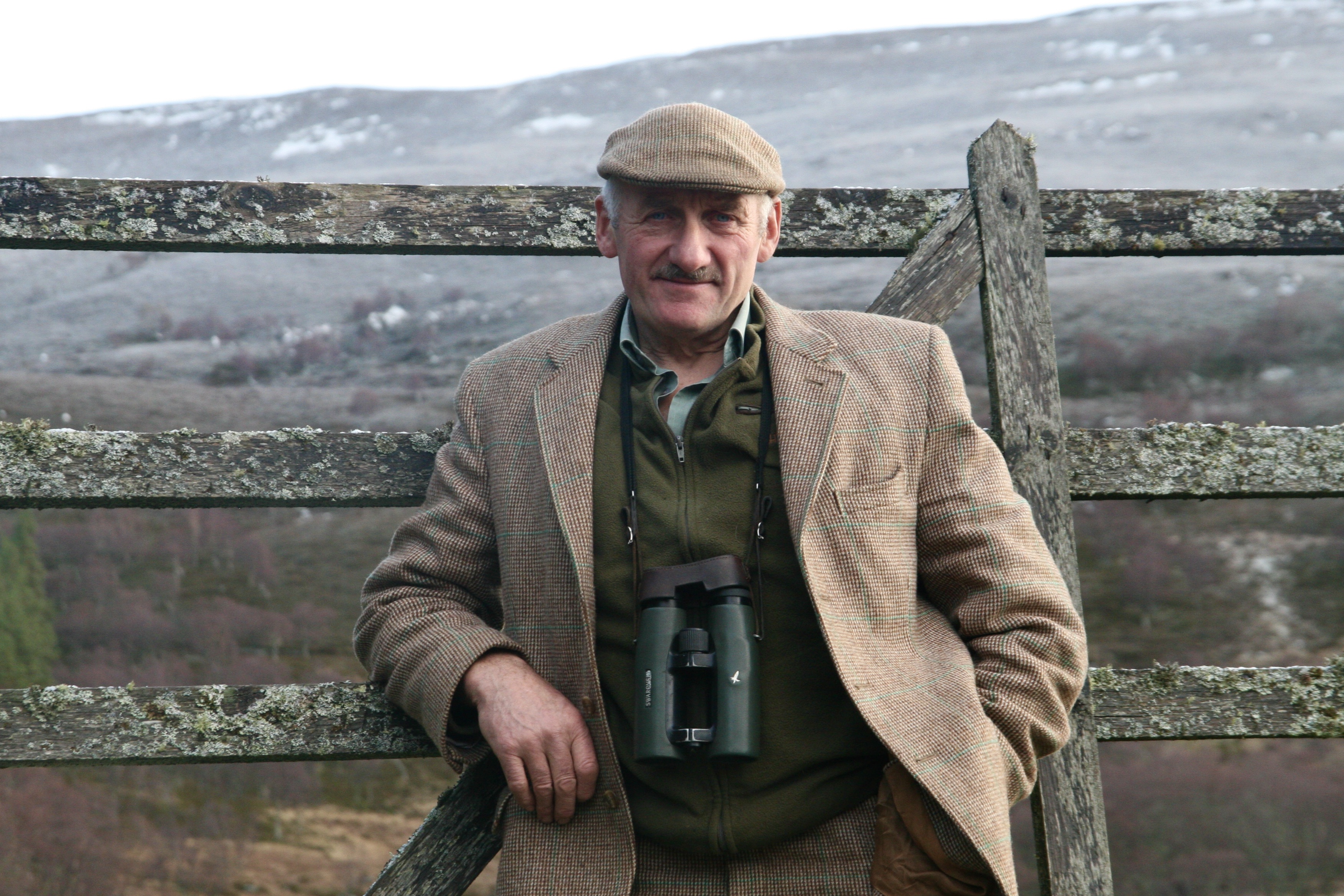
Peter Fraser, a pivotal figure in the history of the Scottish Gamekeepers Association, announced last week at the body’s AGM in Perthshire that he is stepping down as Vice Chairman after nearly two decades.
Author of ‘The Economic importance of red deer to Scotland’s rural economy’, Mr Fraser spent 43 years at Invercauld Estate in Royal Deeside before retiring from his role as Head Stalker in 2012.
Pledging to continue advocating for the species, he has urged the next government to tread warily as they aim to increase the annual cull by up to 50 000 a year to meet Biodiversity targets.
Culling too deep too fast, he believes, could push sporting estates to the brink leading to mounting pressure on the creaking public purse - and empty glens.
“I’d like to see more common sense from all parties when it comes to deer,” he said. “We are in real danger of wrecking a lot of estates’ business models now because of the pace of the culls and the continuous demand for more.
“If you look at the Cairngorms National Park, for example, they are wanting to reduce deer densities to a very, very low level in some places but they also want less sheep on the hills and cattle, too, because they want to look at impacts of all herbivores on the environment.
“For a lot of estates, that is the entire business model -or a large part of it - so I can’t see how that won’t have impacts on jobs. During the pandemic I walked the whole of one of the Invercauld beats on a clear mid-summer day. Twenty five Stags a year and 40 hinds used to be culled from that beat. There were 2 Stags and 1 hind on it. That’s all I could see.
“Some people might think that’s great, but what people don’t realise is the amount of private investment that goes into deer management. If we lose that, the onus for deer management will just revert to the squeezed taxpayer, so there needs to be common sense and a balance.”
Figures have emerged in recent days, from FOI material, that the taxpayer has paid nearly £135m on deer management in the last decade on culling, fencing and equipment.
While fencing costs have been criticised, with some MSPs seeking the removal of fencing subsidy from forestry grant schemes, Mr Fraser believes it wouldn’t result in cost savings.
“When you erect a fence, it protects your asset for 20 to 25 years and it means far less money being spent on contract deer stalkers. At the end of it, you can take the fence down.
“A lot of problems were created when people started planting unfenced forestry schemes in the middle of the red deer range. If you see forestry schemes in the lowlands today, they all have fences around them. I don’t know why the uplands are seen as different.”
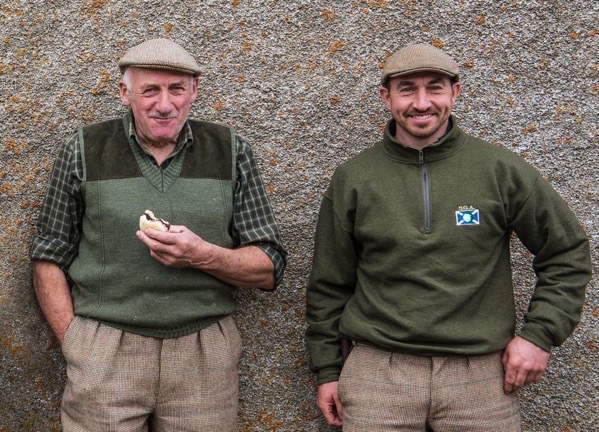
Mr Fraser will be succeeded as Vice Chairman of the SGA by Perthshire Gamekeeper, Bob Connelly.
“To serve as a committee member then as SGA Vice Chairman has been a great honour and a privilege,” he said.
“With the influx of young Committee members, along with the wealth of experience held by the committee and advisers in the background, I am sure the SGA will grow from strength to strength,” he said.