A recent near-crisis and an exchange of information regarding non-native species control has brought this question firmly into the spotlight.
We know, for example, that almost 100 gamekeepers assisted the Scottish Fire and Rescue Service at the recent Cairngorms wildfires, deploying £3.1m of privately financed fire fighting equipment, see: https://www.scottishlandandestates.co.uk/sites/default/files/library/20250716%20RESPONSE%20TO%20THE%20CARRBRIDGE%20AND%20DAVA%20WILDFIRES%20BY%20LAND-BASED%20AND%20RURAL%20BUSINESSES.pdf
That knowledge and those skills in fire behaviour and fire management was essential in keeping the public safe and avoiding more serious loss. It is difficult to place a numerical value on this learned knowledge.
Avoiding ecological and biodiversity harms
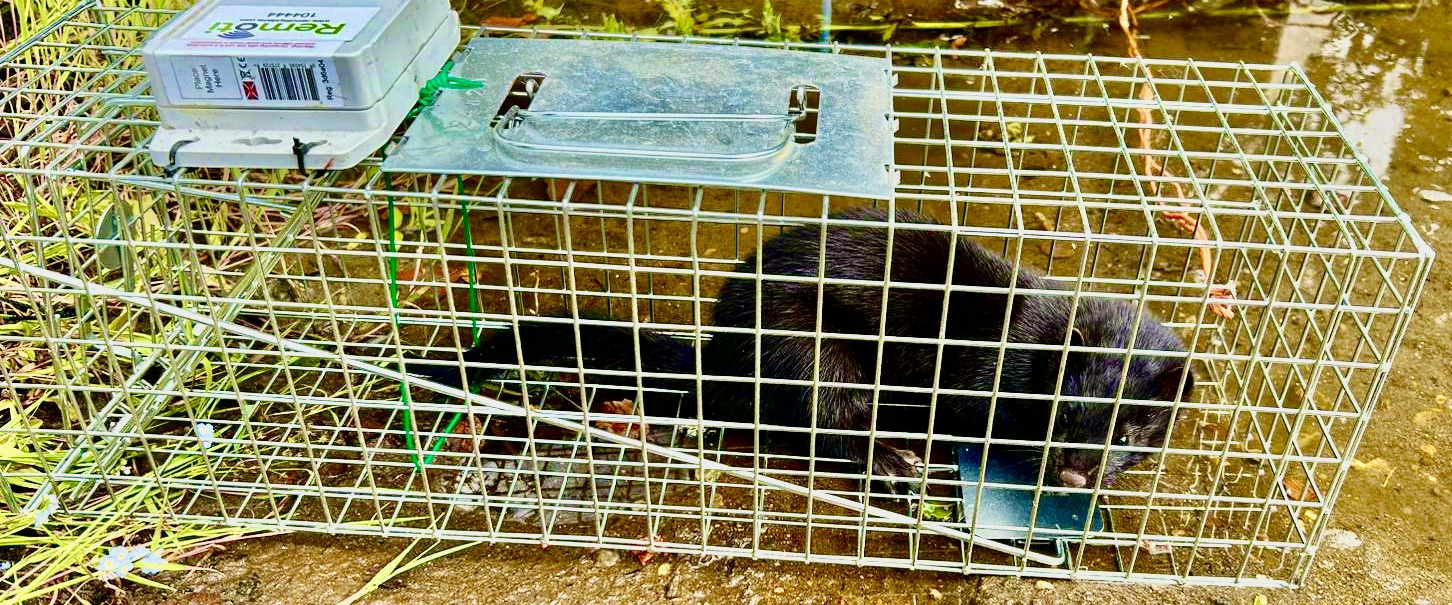
In the last few weeks, a member of the SGA Committee has been updating us on his success with Mink trapping.
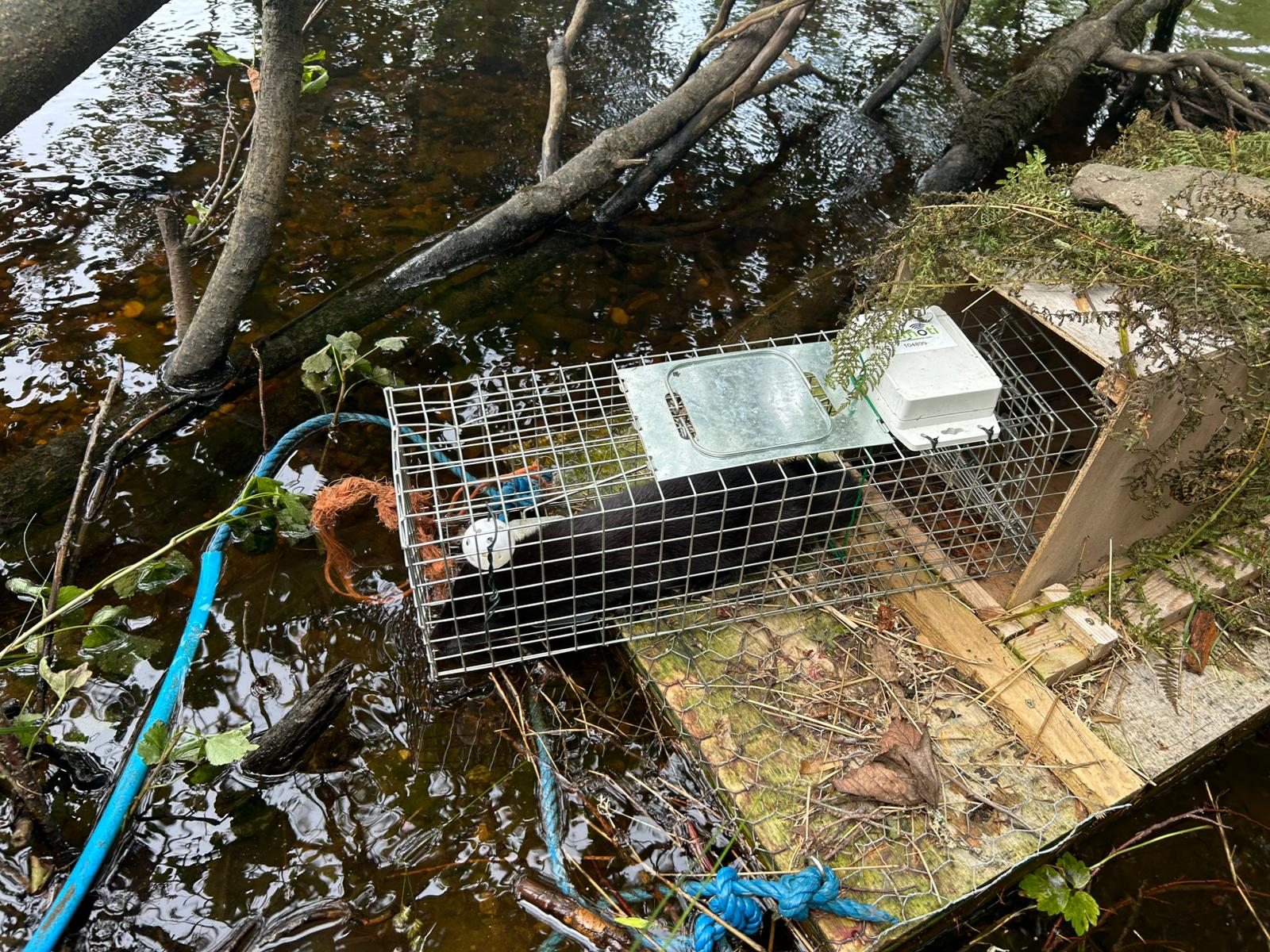
Working with Scottish Invasive Species Initiative, he sets rafts on the Ericht and Ardle for American Mink, a voracious non-native predator which has spelled disaster for native water voles (UK numbers have crashed by 94%).
Mink, which colonised in Scotland after escaping from fur farms, also create havoc for ground nesting birds and fish, causing excessive damage.
Using remote sense traps, our Committee member gamekeeper has caught no less than 10 Mink in 8 days and 16 for the season so far.
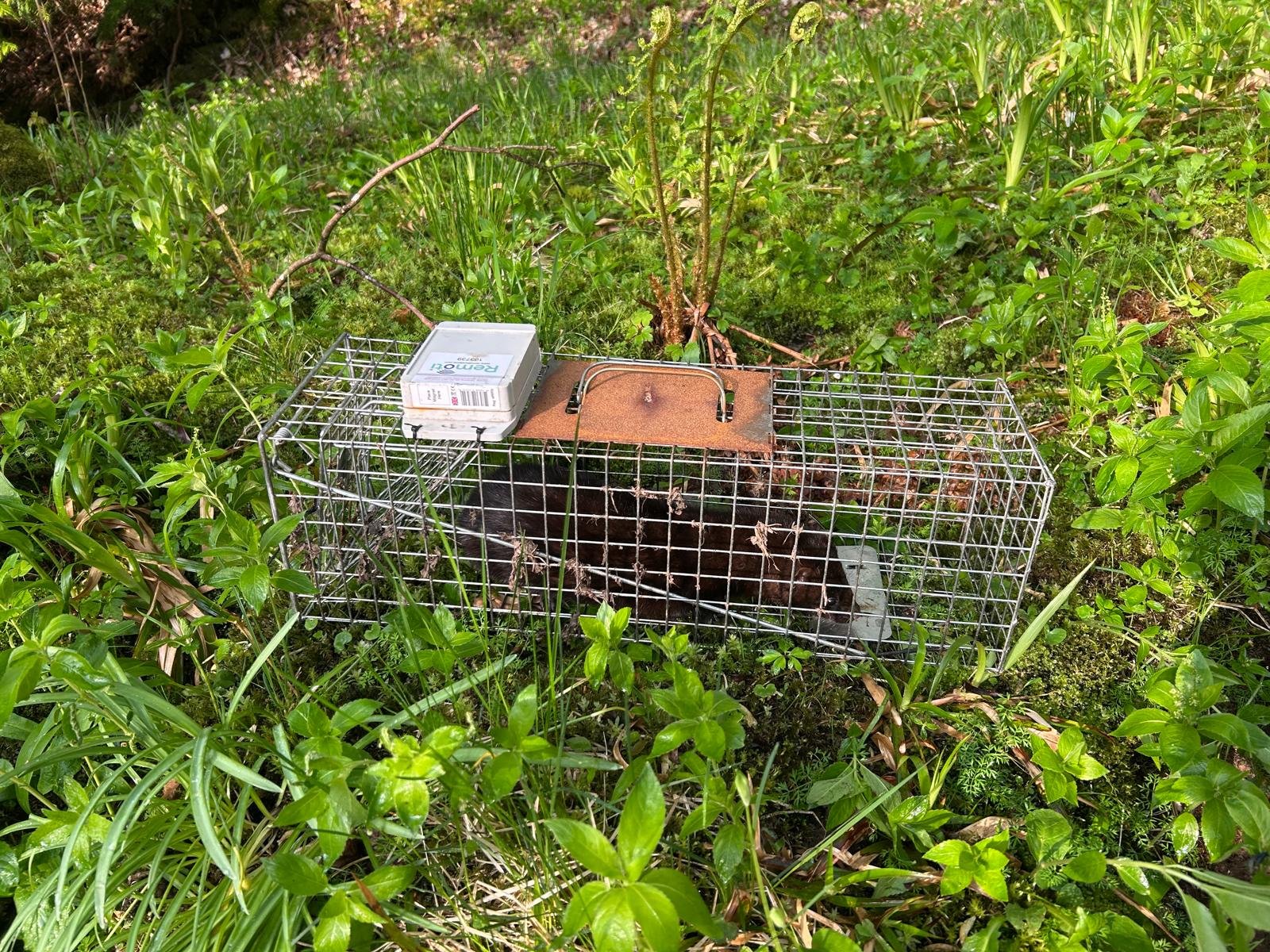
There are hundreds of gamekeepers and ghillies volunteering this service in Scotland, helping tackle a problem which costs the Scottish economy £300m a year.
According to IPBES, invasive non-native species are implicated in 60% of global plant and animal extinctions.
How much would it cost, financially (and in terms of conservation and biodiversity), if Scotland did not have access to skilled gamekeepers, ghillies and wildlife managers, not to mention the missing millions annually for small communities, employment and local businesses?